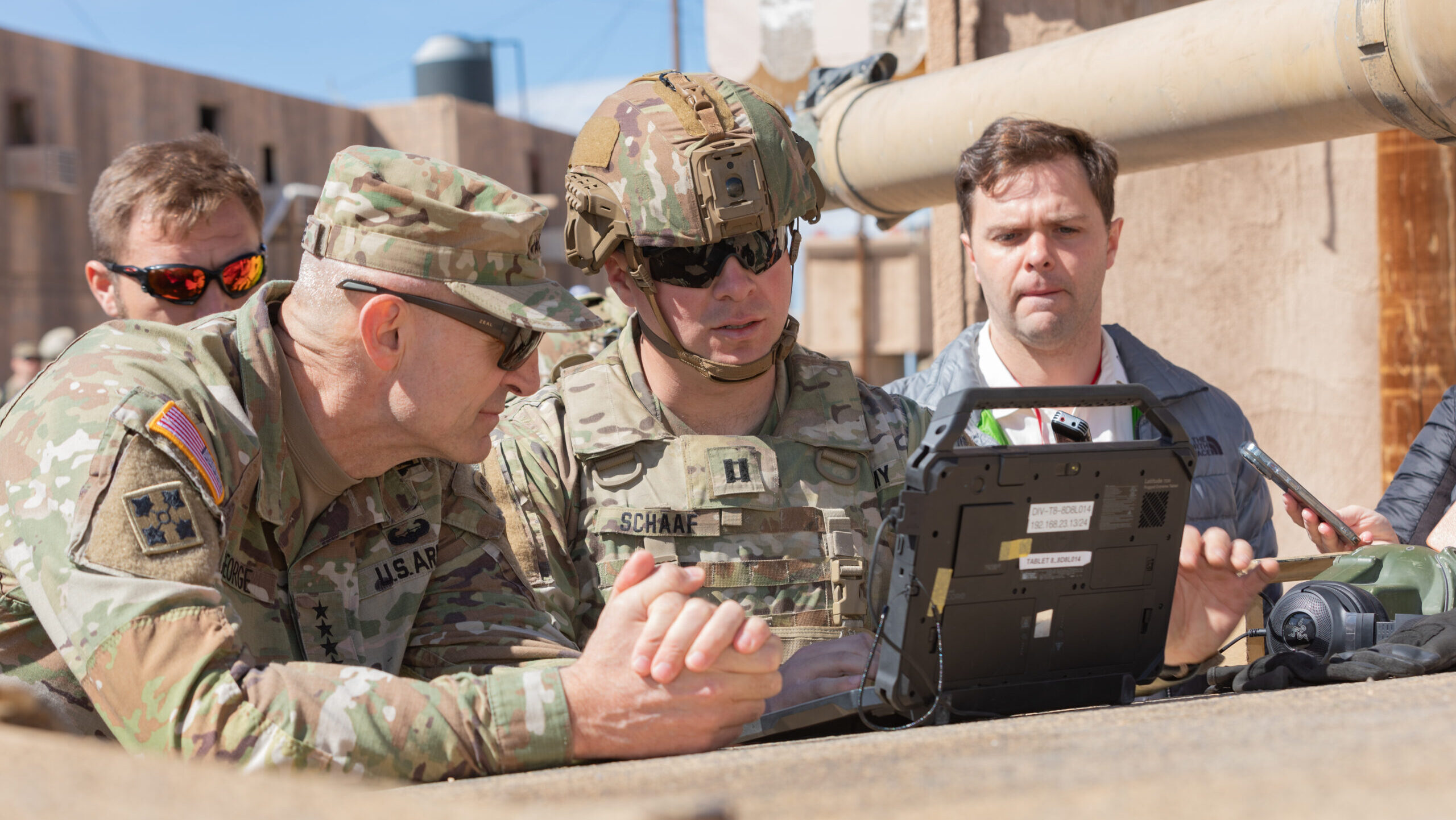
Army seeks hefty boost in network funding in Pentagon procurement proposal
The "tactical network communications” portfolio saw a jump of over $488 million compared to last year.
The "tactical network communications” portfolio saw a jump of over $488 million compared to last year.
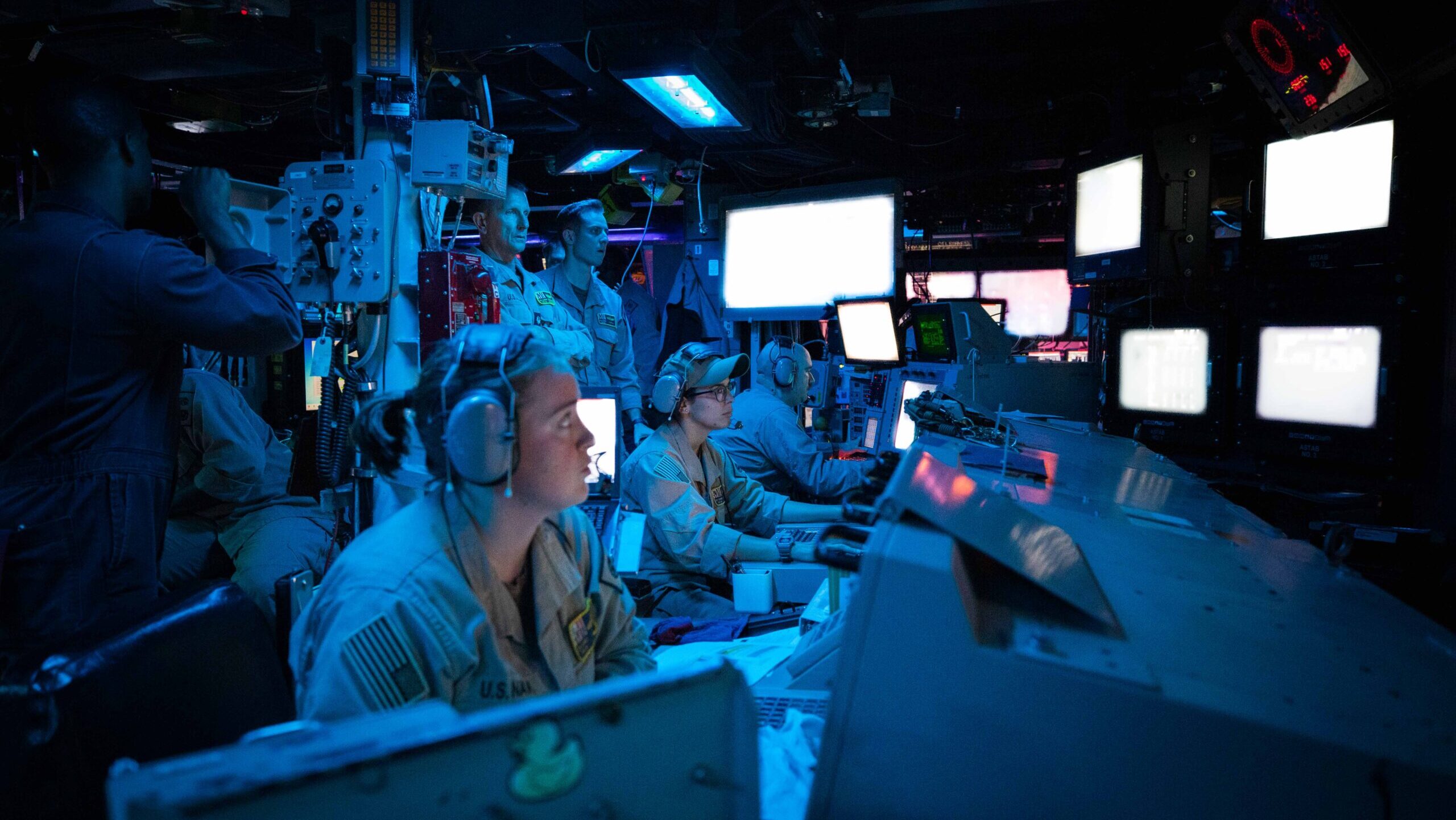
From both a top level approach and a service-level approach, this year the DoD released new IT strategies focused on supporting the evolving nature of warfare.


As operating environments grow more complex, Link 16 provides instantaneous, mission-wide connectivity to ensure no aircraft flies alone.
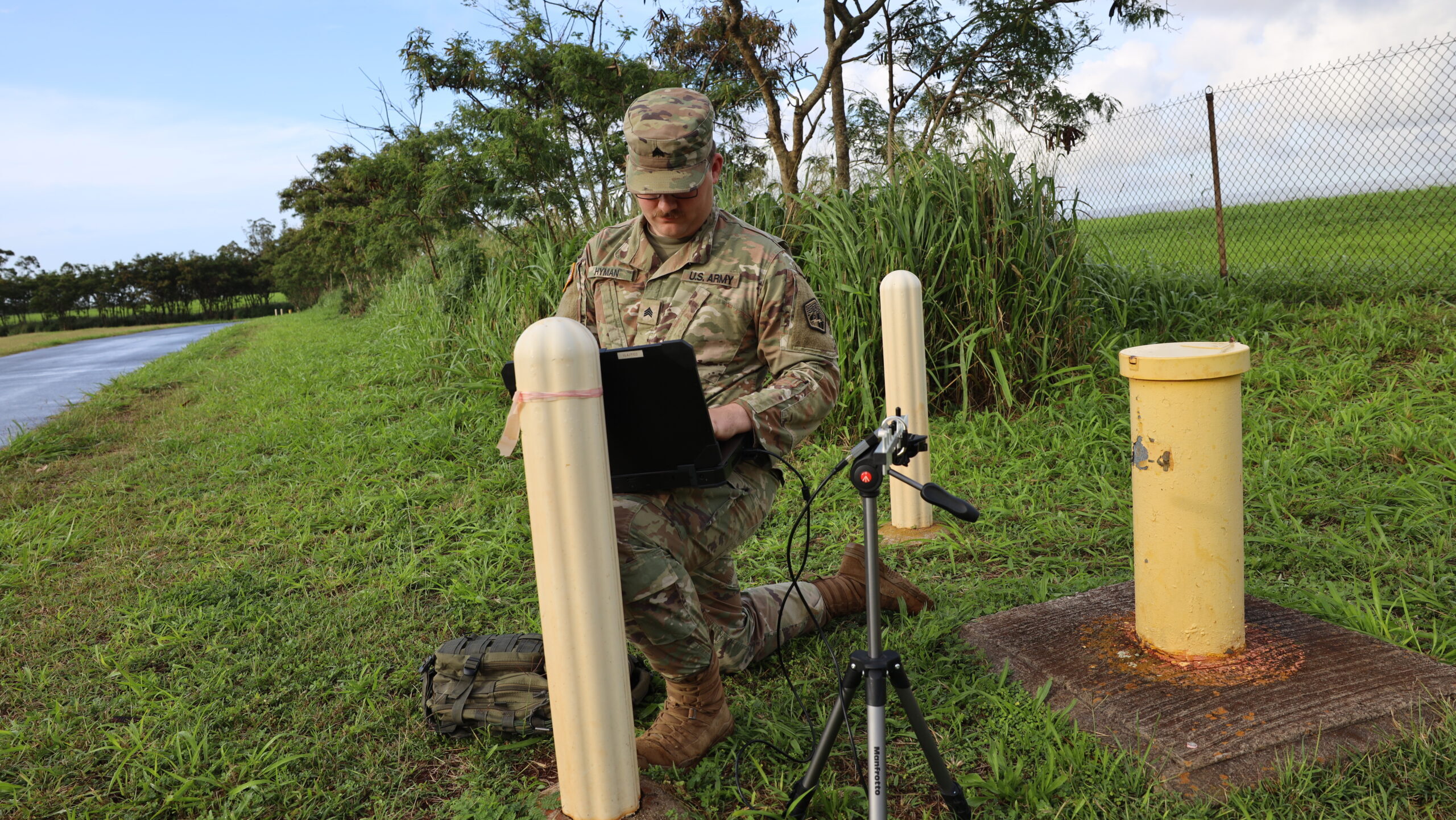
This year Breaking Defense spoke with top cyber and network experts and officials reflecting on the ways the Pentagon is striving to make the IT space more robust.
This week Army officials revealed new details about its plans for a new command and control capability, and how industry can keep up.

"We're pulling live data and then integrating it in all the different warfighting functions. So it's a pretty big, pretty big push,” Col. Matt Skaggs told Breaking Defense.
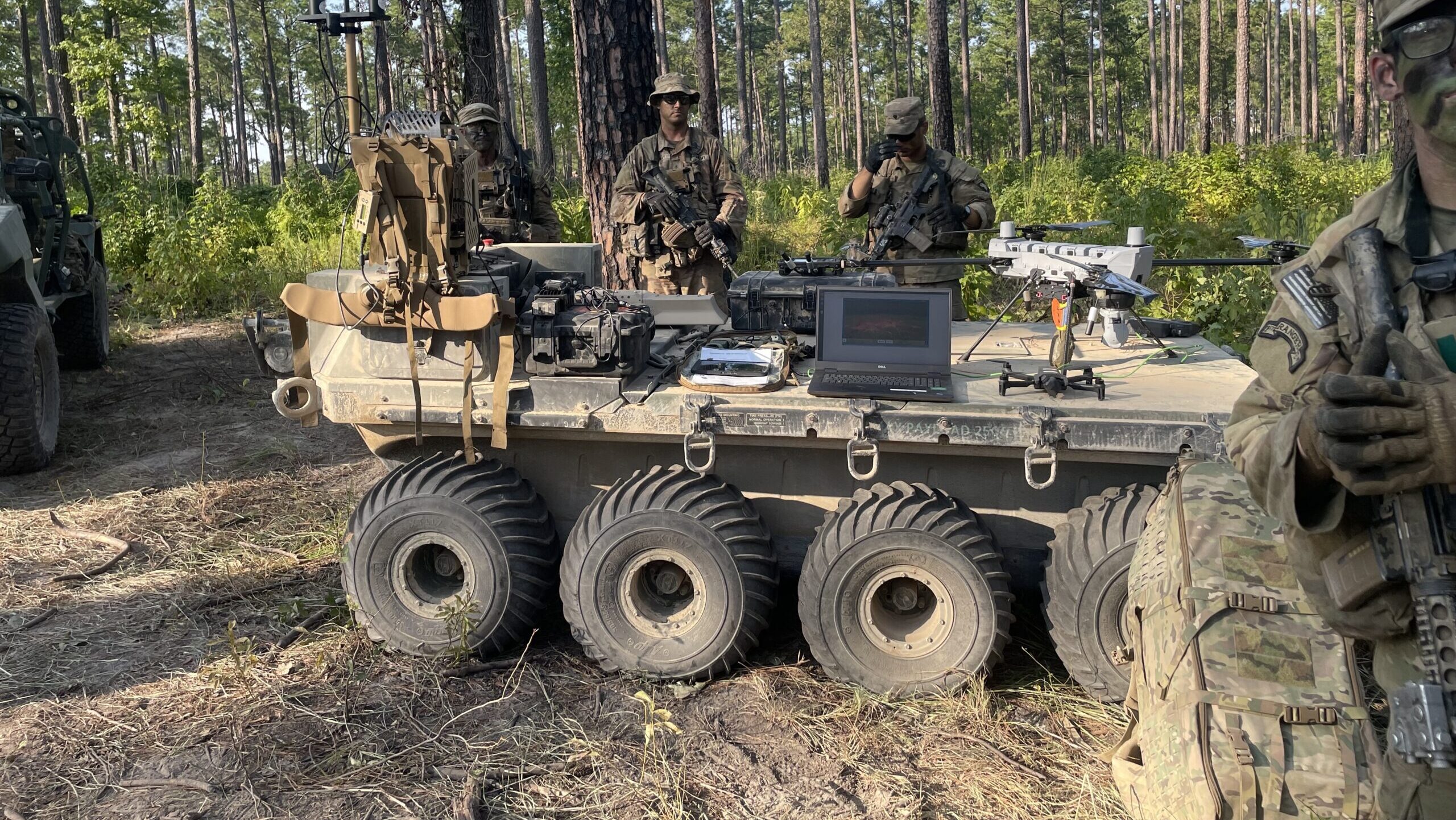
After exercises, soldiers said they want to see better edge computing, mobile pLEO solutions and more.


Beyond foreign sales, Rafael’s model enables tech transfer, local engineering, and is a template for NATO partners.

The PEO C3T released the RFI after the office held an industry day to provide more information on NGC2 to interested vendors.

Currently, the Army has nine various organizational networks and is on its way to creating one cohesive network.

C2NG is the Army’s joint effort with industry to build a “data-centric” command and control system facilitated through network transport.

The Army’s new Vice Chief of Staff Gen. James Mingus recently sat down with Breaking Defense to discuss a few of his priorities that include network changes to include transitioning from a ‘C2 Fix’ to ‘C2 Next.’

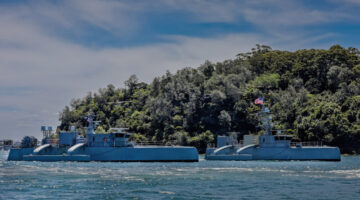
Predictive artificial intelligence and autonomy will reshape how forces are sustained across the Pacific.

Here's what to watch for in the defense network, cyber and innovation space in 2024.

This year Breaking Defense heard straight from some top network and tech officials in the Pentagon about their ambitious plans.
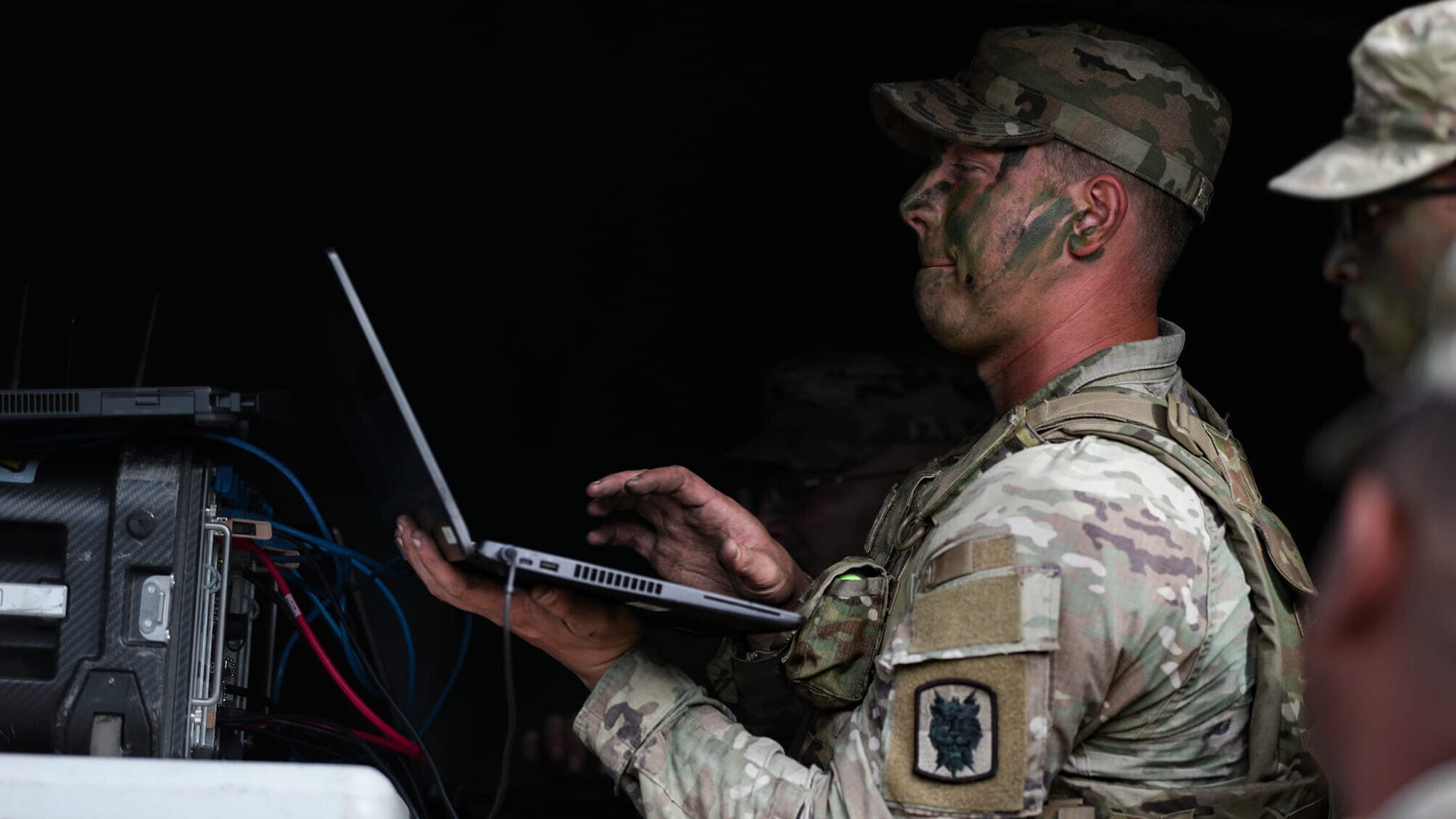
"I think the most important thing that I'm communicating to industry is that we need a flexible network in the future," Mark Kitz, leader of PEO C3T, told Breaking Defense. "And we need to be able to iterate our programs so we can have that flexible network in the future."
“This will help enable better-informed, timely decision-making throughout the [command, control, computers, communications, cyber, intelligence, surveillance and reconnaissance] and mission IT lifecycle in support of more than 120 Army, DoD and federal government program offices and agencies,” according to Leidos.